HP 15,6 inç Ultrabook Dizüstü Bilgisayar (16GB/512GB, Win 11)
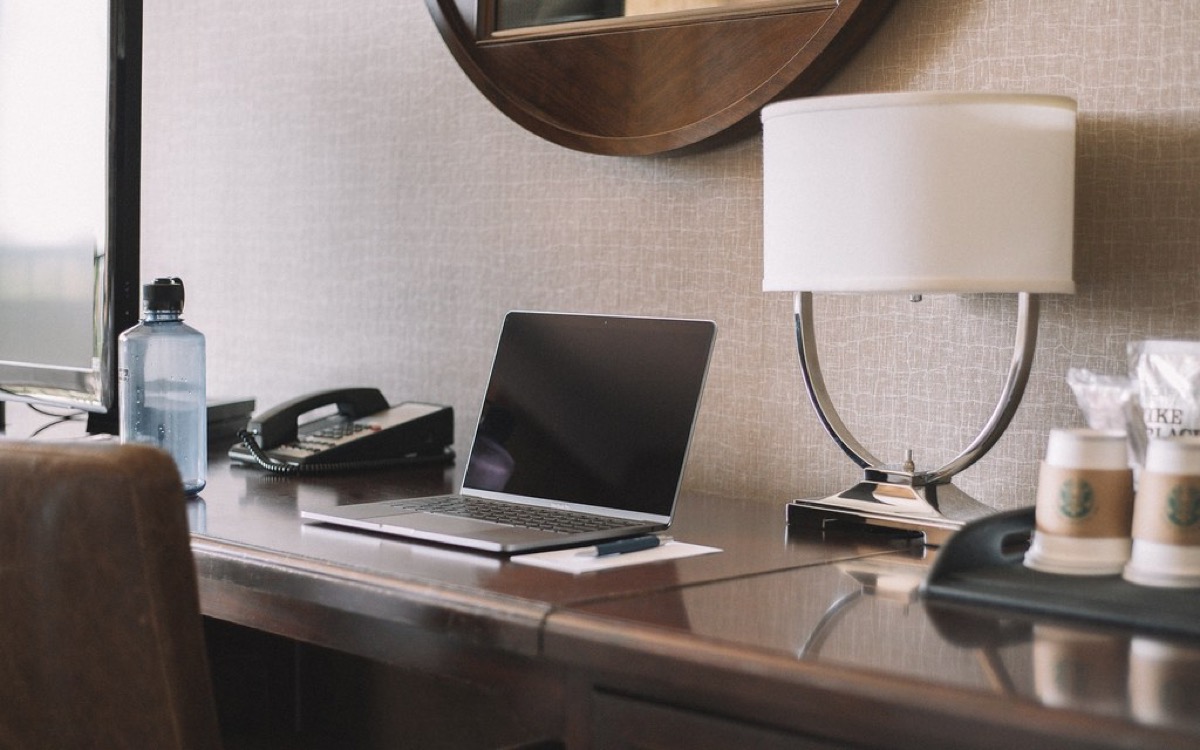
A Thin 15.6-Inch Windows 11 Ultrabook
The HP 15.6-inch Ultrabook is built around a familiar idea: give people a full-size screen without the bulk that used to come with it. It pairs a 15.6-inch display with a slim chassis, 16GB of RAM, and a 512GB solid-state drive, all running Windows 11. On paper, this is a machine aimed squarely at everyday productivity rather than specialized creative or gaming work. HP positions it as a portable home-and-study companion, and the specification sheet backs that up, with a claimed battery life of roughly eleven hours that should comfortably cover a day of classes or meetings.
What owners consistently look for in this class of laptop is balance, and that is the story here. The larger screen makes spreadsheets, documents, and browser tabs easier to live with, while the reduced thickness keeps the laptop bag-friendly. Anyone weighing up an HP 15.6 inch Ultrabook review is usually deciding between a genuinely portable device and a desktop-replacement notebook, and this model leans toward the former. It is not trying to be a workstation; it is trying to be the dependable machine you reach for to write, browse, join video calls, and manage the small administrative tasks that fill a normal week.
Design, Display, and Build
The design language is understated, following HP's recent preference for clean lines and a low-profile lid. At 15.6 inches, the display gives you room to work without forcing you to squint, and the slim bezels help keep the overall footprint closer to what you would expect from a 14-inch laptop a few years ago. Reviewers frequently mention that a screen this size is more comfortable for long reading and side-by-side windows, which matters if you spend hours in documents or dashboards. The panel is tuned for productivity and media rather than color-critical editing.
Around the edges, the layout is practical. A full-size keyboard with a number pad is common in this 15.6-inch format, and the larger deck leaves space for a roomy trackpad. HP typically includes a useful mix of USB-A and USB-C ports plus HDMI, so connecting a monitor, mouse, or external drive rarely requires a dongle. The chassis keeps weight down to stay comfortable in a backpack, and the thin profile is the defining trait of the ultrabook category. It feels designed for people who move between rooms, desks, and cafes rather than staying tethered to one spot.
Who It's For and How It Performs
This laptop is a natural fit for students, remote workers, and households that want one reliable machine for shared use. The 16GB of RAM is the specification that owners tend to appreciate most, because it lets Windows 11 keep many browser tabs, a word processor, a spreadsheet, and a video call open at once without the system feeling starved. For everyday productivity, that headroom is more meaningful than raw processor speed, and it is a big reason this configuration ages more gracefully than 8GB alternatives that were common at similar prices.
Storage is handled by a 512GB SSD, which does two jobs at once: it gives you enough room for documents, photos, and a healthy library of applications, and it keeps the whole experience feeling quick. Solid-state storage is why modern ultrabooks wake and boot in seconds, and it makes file transfers and app launches noticeably snappier than the spinning drives of the past. For the intended audience, the combination of 16GB and 512GB hits a sensible middle ground; you are unlikely to run out of memory during normal multitasking or storage during a typical school year or work quarter.
Trade-Offs and Things to Consider
No laptop at this level is without compromises, and it is worth being clear about them. This is an ultrabook built for productivity, so it relies on integrated graphics rather than a dedicated GPU. That is fine for streaming, office work, and light photo edits, but demanding games and heavy 3D or video rendering are outside its comfort zone. The 15.6-inch panel prioritizes everyday clarity over the wide color gamut a professional photographer or colorist would demand, so creatives with exacting standards should treat that expectation realistically before buying.
Build materials in this segment usually favor lightweight plastics over aluminum, which helps keep both weight and price down but means the chassis can feel less premium than costlier machines. Upgradeability varies by configuration, so anyone hoping to add memory later should confirm the specifics rather than assume. None of this undermines the core proposition; these are the ordinary trade-offs that come with a thin, affordable, full-size notebook, and they only matter if your workload pushes beyond the everyday tasks the laptop was clearly designed to handle.
Living With It Day to Day
Setting the laptop up is the standard Windows 11 experience: sign in, connect to Wi-Fi, and let updates run before you settle in. As with most mainstream notebooks, you may want to spend a few minutes removing preinstalled trial software to keep the system tidy, a small chore that pays off in a cleaner desktop. Once configured, the everyday rhythm is easy. The manufacturer's claimed battery life of around eleven hours suggests you can leave the charger at home for many workdays, though real-world runtime always depends on screen brightness and workload.
Care is straightforward. Keeping the SSD from filling completely helps Windows stay responsive, so moving large media libraries to cloud storage or an external drive is a sensible habit. A quick wipe of the screen and keyboard, plus keeping vents clear of dust, is about all the routine maintenance most owners will ever need. Because the machine is light and thin, it slips easily into a bag for the commute, and the up-to-eleven-hour battery claim means you are less likely to hunt for an outlet in the middle of a lecture, a long meeting, or an afternoon at the library.
How It Compares and Where It Fits
Against the broad field of everyday Windows laptops, this HP earns its place through balance rather than any single headline feature. Many competing machines force a choice: a big screen but only 8GB of RAM, or ample memory paired with cramped storage. Here the 16GB and 512GB pairing avoids that compromise, which is exactly what makes a considered HP 15.6 inch Ultrabook review land in its favor for mainstream buyers. It is the kind of specification that keeps a laptop useful for years rather than months.
Where it fits is clear. If you want a thin, full-size Windows 11 notebook for study, home-office duties, browsing, and video calls, and you value all-day battery over gaming muscle, this model covers those needs without asking you to overspend. Shoppers who need discrete graphics, a color-accurate creative display, or a metal unibody should look higher up the range. For everyone else, this is a sensible, well-rounded ultrabook that does the ordinary things well, which is precisely what most people actually need from a daily computer.
Bir bakışta
Artılar
- Generous 16GB of RAM keeps Windows 11 running smoothly across many browser tabs, documents, and video calls at once.
- A fast 512GB SSD delivers quick boot times and plenty of room for files, photos, and applications.
- The 15.6-inch display and full-size keyboard make long document, spreadsheet, and browsing sessions more comfortable.
- A manufacturer-claimed battery life of roughly eleven hours can cover a full day of classes or meetings on one charge.
Eksiler
- Integrated graphics limit it to light gaming and casual photo edits rather than demanding 3D or heavy rendering.
- The productivity-tuned display is not built for color-critical creative work.
- Plastic construction feels less premium than the aluminum bodies of pricier ultrabooks.
Sıkça sorulan sorular
Is the HP 15.6-inch Ultrabook good for students?
Yes, it suits students well. The 16GB of RAM handles research with many tabs open alongside a word processor, and the 512GB SSD leaves room for coursework and media. The claimed all-day battery also helps you get through classes between charges.
Can this laptop handle gaming?
It is built for productivity, not gaming, and relies on integrated graphics. Older or lightweight titles and cloud streaming are realistic, but modern, graphically demanding games are beyond what it was designed to run smoothly.
Is 512GB of storage enough?
For most everyday users, 512GB is comfortable for documents, applications, and a reasonable photo or media library. Heavy video collections can fill any drive, so pairing it with cloud or external storage is a smart habit if your files grow.
Teknik Özellikler
| Display | 15.6-inch widescreen |
| Memory | 16GB RAM |
| Storage | 512GB SSD |
| Operating System | Windows 11 |
| Battery Life | Up to ~11 hours (claimed) |
| Graphics | Integrated |
| Ports | USB-A, USB-C, HDMI |
| Form Factor | Thin and light ultrabook |
Özet
If you want a thin, full-size Windows 11 laptop for study, browsing, and home-office work with all-day battery and no gaming ambitions, this well-balanced HP is an easy recommendation.
Amazon'da Fiyatı Kontrol Et